
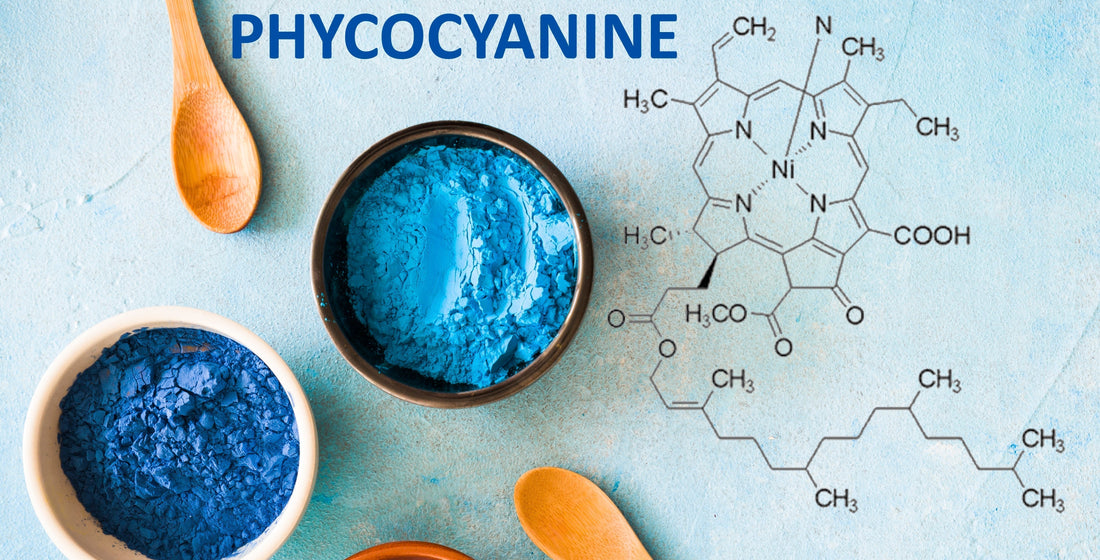
Phycocyanin
The benefits of phycocyanin
Phycocyanin offers numerous health benefits, including:
- Powerful antioxidant action
- Anti-inflammatory and pain-relieving effect
- Strengthening of immune defenses
- Improved energy and athletic performance
- Support for blood sugar regulation and diabetes management
- Liver protection and detoxification support
- Beneficial effects on brain and neuronal health
- Contributes to cholesterol reduction
- Helps eliminate microplastics
Discover "The holistic approach: consuming phycocyanin with the totum" at the end of the article, and the spirulina manufacturing process.
Let's explore these benefits in more detail:
1. Exceptional antioxidant protection
Antioxidants are essential for protecting our cells from free radicals, which are responsible for premature aging and many chronic diseases.
Phycocyanin, a unique natural blue pigment used in food, is particularly recognized for its powerful antioxidant, anti-inflammatory, and liver-protective properties.
It even surpasses the antioxidant effectiveness of well-known vitamins like vitamin C and vitamin E. By strengthening the body's natural antioxidant reserves, phycocyanin offers enhanced protection against oxidative damage.
2. Anti-inflammatory and analgesic properties
Among its most notable actions, phycocyanin has a natural ability to reduce inflammation by inhibiting the production of pro-inflammatory molecules such as prostaglandins and leukotrienes.
It also acts on pain receptors, thereby reducing pain perception. These effects make it an excellent ally for soothing chronic pain, particularly that associated with joint, muscle, or tendon inflammation, as well as for relieving arthritis symptoms.
3. Genuine support for the immune system
Phycocyanin stimulates the production of white blood cells, key components of our natural defense system.
It also plays a role in regulating IgA antibodies, essential for protecting our body from pathogens.
By strengthening our body's lines of defense, it helps prevent infections and diseases, creating an unfavorable environment for the development of viruses and bacteria.
4. Boosting energy and physical performance
Thanks to its antioxidant and anti-inflammatory action, phycocyanin helps reduce fatigue and promotes better recovery after exercise.
It also optimizes cellular energy production by improving the use of oxygen and nutrients by cells.
This dual action results in a notable improvement in endurance, muscle recovery, and athletic performance.
5. Blood sugar regulation and support in diabetes
Phycocyanin plays an interesting role in diabetes management by promoting the body's response to insulin and stimulating the production of glucokinase, an enzyme involved in regulating blood sugar levels.
It thus contributes to maintaining stable blood sugar levels, especially on an empty stomach, while promoting fat oxidation. This makes it a valuable asset in supporting diabetes management.
6. Liver protection and detoxification processes
The liver, an essential organ for eliminating toxins, particularly benefits from the effects of phycocyanin. Its anti-inflammatory action also contributes to protecting liver cells and maintaining proper liver function.
7. Benefits for the brain and neuronal health
Phycocyanin supports the regeneration of neural stem cells, thus promoting the repair of damaged neurons.
Phycocyanin stimulates the differentiation of bone marrow stem cells, thus promoting the production of white blood cells (immunity) and red blood cells (oxygenation). It therefore supports the hematopoiesis process, similar to erythropoietin (EPO).
Thanks to its antioxidant properties, it protects these blood cells from the deleterious effects of oxidative stress, thus contributing to their proper functioning. This action directly participates in the improvement of cellular respiration and oxygenation.
Finally, associated with bioavailable iron naturally present in spirulina, phycocyanin could further enhance cellular respiration. These promising results, although observed in the laboratory, still require clinical studies to be fully validated in humans.
It also stimulates the production of neurotransmitters such as serotonin and dopamine, essential for emotional balance and cognitive functions.
Research also suggests that it could offer protection against neurodegenerative diseases like Alzheimer's, Parkinson's, and certain neurological complications of COVID-19.
8. Contributes to cholesterol reduction
Research indicates that phycocyanin could contribute to reducing "bad" LDL cholesterol and triglycerides, two risk factors for metabolic syndrome.
It could exert an hypocholesterolemic effect, thereby reducing the risks of non-alcoholic fatty liver disease and other associated pathologies. However, these results still need to be confirmed by in-depth clinical studies.
9. Helps eliminate microplastics
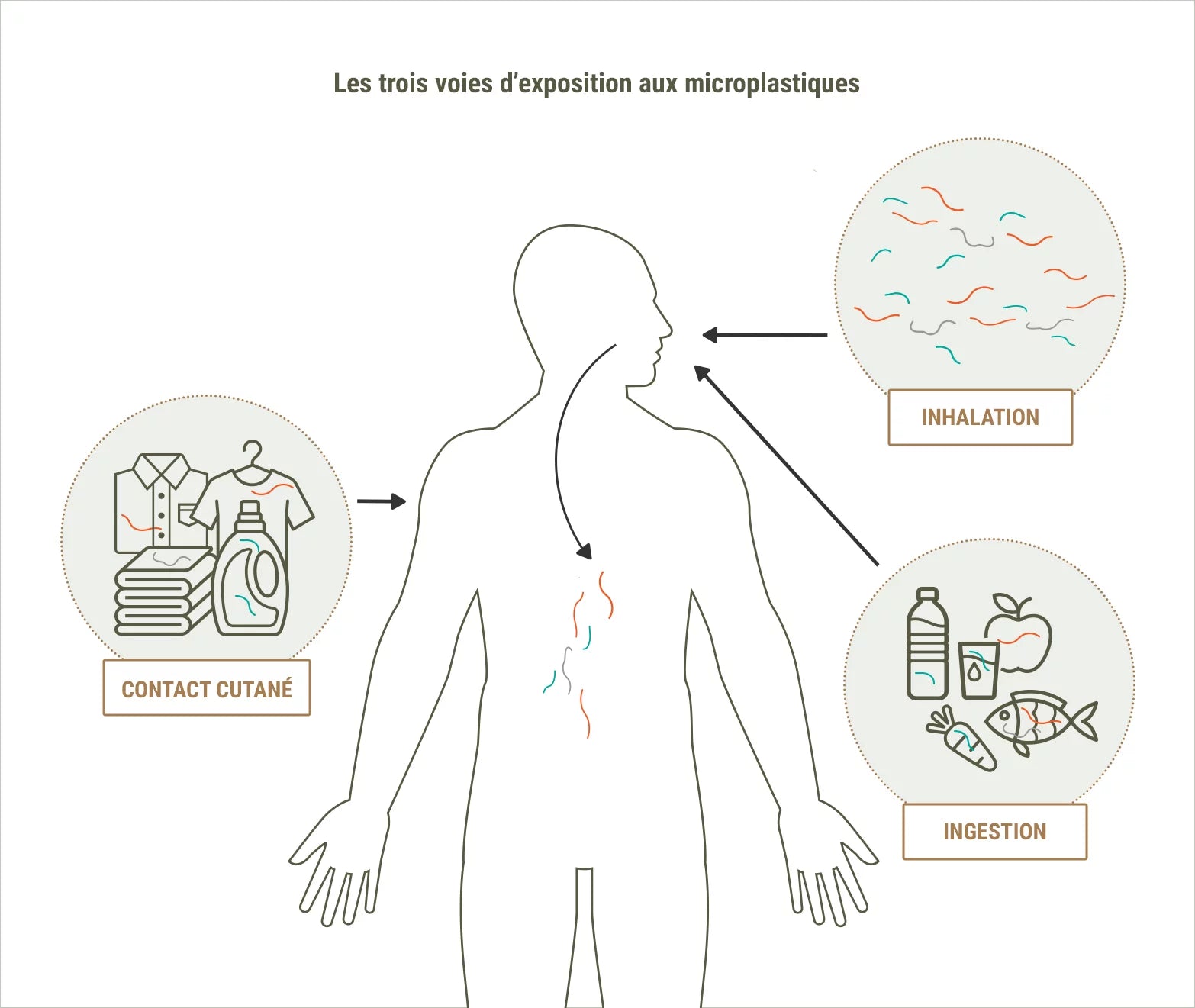
By stimulating the production of detoxifying enzymes like glutathione, phycocyanin facilitates the elimination of toxins, free radicals, and microplastics.
The holistic approach: consuming phycocyanin with the totum
Consuming phycocyanin in its "totum," i.e., within complete natural ingredients such as spirulina, allows one to benefit from all its nutrients: vitamins, minerals, essential fatty acids, and proteins.
The synergy of natural components optimizes their respective effects for enhanced health benefits, a well-known concept in phytotherapy.
Manufacturing process
For whole spirulina:
It is simply dried once it reaches maturity. Cultivation conditions (sunlight, temperature, drying) strongly influence the final phycocyanin content.
Tropical climates naturally offer higher levels, but thanks to modern methods, very good results are also obtained in temperate climates.
For liquid extracts:
Phycocyanin is extracted through a sophisticated freezing/thawing alternation process that releases the pigment by breaking down cell membranes.
For dry extracts:
After extraction, an additional drying and purification step allows for obtaining a highly concentrated, water-soluble phycocyanin powder.


13 comments
Bonjour,
Quelle posologie journalière pour ce produit Merci
Phycocyanine : Quelle est la posologie ? Quelle dose par jour, à quel moment de la journée, avant pendant après les repas et combien de temps ? Merci pour votre réponse
Bonjour Christophe, j ai commandé le phycocyianine. A quel frequence peut ont le prendre et combien de × par jours tout nouveau en ce qui me concerne!!! Un tout grand merci de repondre au mail 🙏🏼 avec tts ma gratitude belle journee
Bonjour , je commence ma cure de chelator complexe+ les vitamines et je souhaiterai savoir si je peux faire la décalcification de la glande pinéale en même temps en espaçant la prise de 12h entre les deux cures. Merci
la spiruline m’est déconseillé a cause du fer qu’elle apporte !!!
J’ai un taux de ferritine important puis-je prendre de la phycocyanine sans problème ?