
Plant-based food products: guide by category
This article presents the main plant-based slimming foods and more: cereals, legumes, fruits, tubers, and infusions.
What are plant-based foods?
Plant-based foods include what humans obtain from plants for nourishment: grains, leaves, roots, fruits, seeds, and vegetables. Their diversity far exceeds what is reflected in everyday meals.
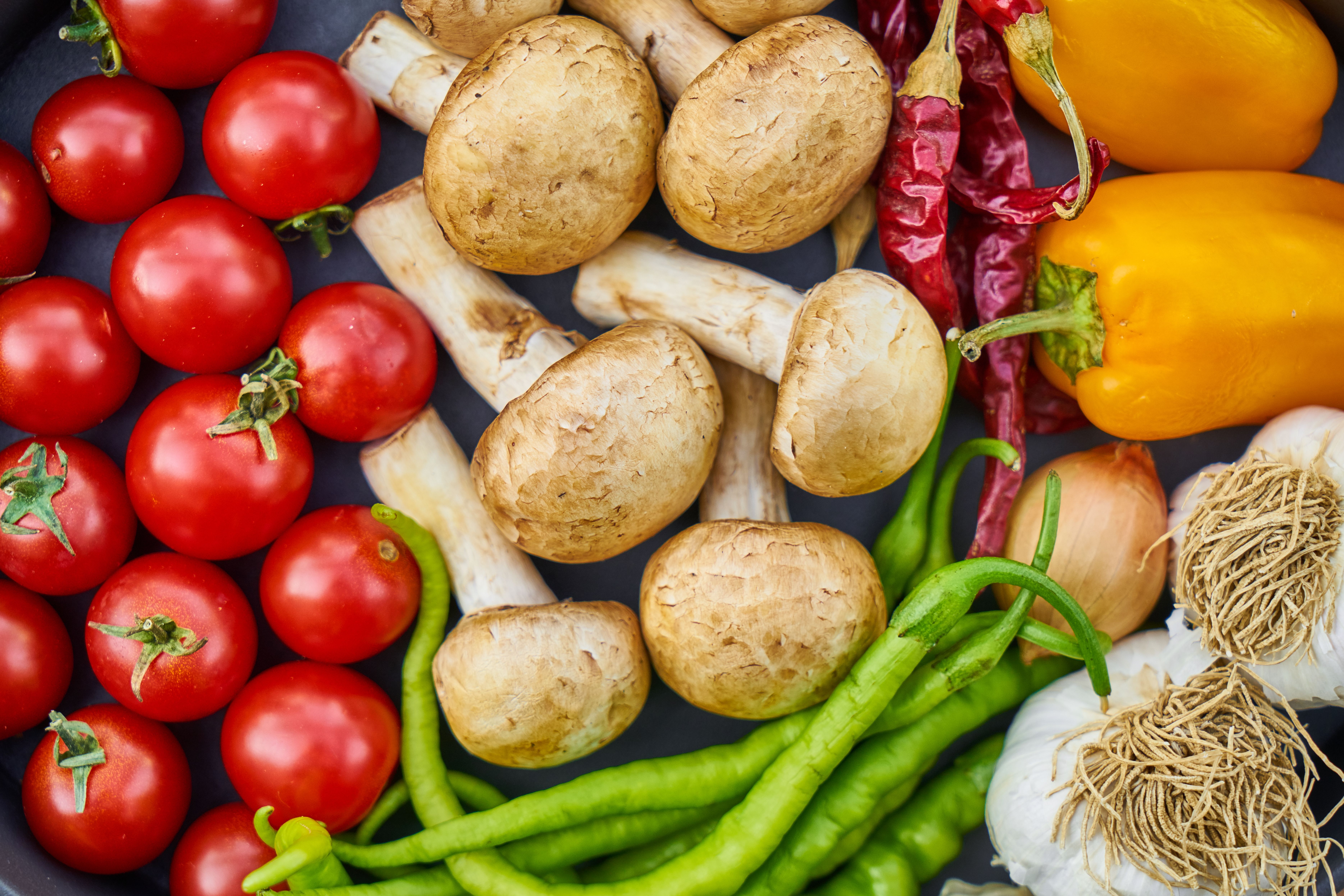
Definition of plant-based foods
A plant-based food is an edible product directly derived from a plant or processed from it. Preparations may use fresh plants or raw materials obtained through drying, fermentation, milling, or oil extraction. Each process influences nutritional intake and culinary uses.
- Fresh consumption: vegetables, fruits, and aromatic herbs are harvested and then consumed directly. They generally have a high water and micronutrient content.
- Dry processing: flours, semolina, and flakes come from dried cereals or legumes. They serve as the basis for many culinary preparations.
- Liquid extraction: vegetable oils, fruit juices, and infusions are obtained by pressing, decoction, or maceration of different parts of plants.
The difference lies in the plant part used and the process applied. The same plant can thus provide a fresh food, flour, oil, or herbal tea.
A diversity still largely untapped
Out of nearly 400,000 plant species identified worldwide, about 30,000 are regularly cultivated by humans. Yet, not all edible food plants occupy the same place in food systems: only 50 species provide about 90% of global human food, with wheat, rice, and maize leading the way.
The FAO lists about 7,000 plant species that have been cultivated or harvested as food at some point in history. However, about 80,000 species are considered edible. In Europe, out of 12,000 plant species, nearly 1,600 are edible, although some fifty can prove dangerous. Expanding consumption to a more varied range of plants constitutes a nutritional and agronomic avenue for the future.
The major families of food plants
About 80% of global plant-based food comes from only 17 botanical families.
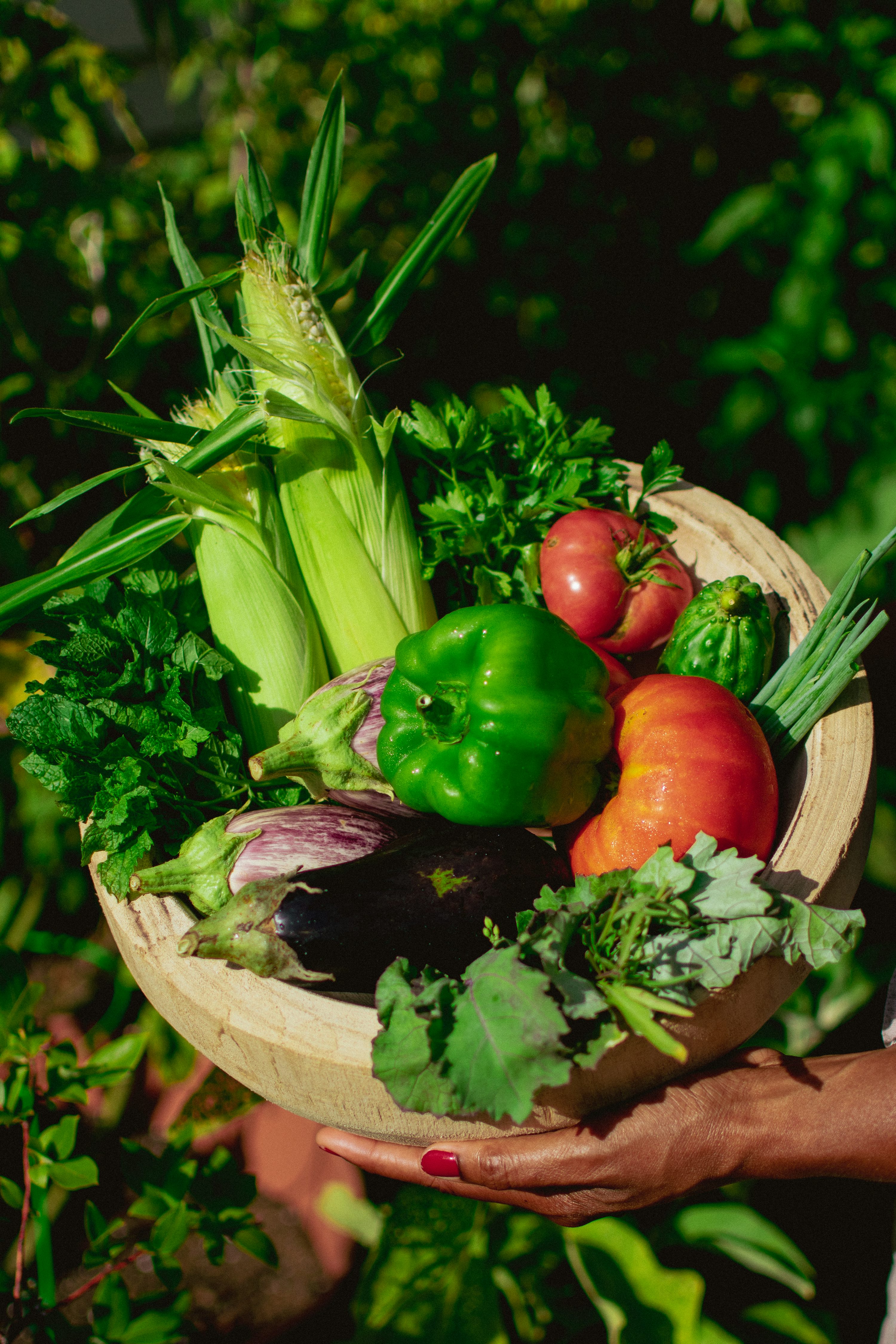
Cereals and food grasses
The Poaceae family includes several cereals that structure the global diet.
- Rice (Oryza sativa): a staple cereal for more than half the world's population, consumed as a grain, flour, or in the form of plant-based milk.
- Soft wheat: the main source of bread-making flour in Europe, used for bread, pasta, and many bakery preparations.
- Maize: a versatile cereal processed into flour, semolina, oil, or starch, with global production exceeding 500 million tons.
- Quinoa: an Andean pseudo-cereal, rich in complete proteins, increasingly present in a diversified plant-based diet.
| Cereal | Family | Main contribution | Common forms |
| Wheat | Poaceae | Carbohydrates, gluten | Flour, bread, pasta |
| Rice | Poaceae | Carbohydrates, low fat content | Grain, flour, milk |
| Barley | Poaceae | Fiber, beta-glucans | Grain, flour, malt |
| Sorghum | Poaceae | Carbohydrates, gluten-free | Flour, grain, beer |
| Millet | Poaceae | Minerals, carbohydrates | Flour, porridge, pancake |
| Quinoa | Amaranthaceae | Complete proteins | Cooked grain, flour |
Legumes and other plant families
A classification of edible plants by botanical family places the Fabaceae in second place worldwide after the Poaceae. They include soy, peanuts, fava beans, common beans, lentils, chickpeas, and peas. These dried legumes provide plant proteins and complement cereals with their essential amino acid profile.
Tree fruits and citrus fruits
The Rosaceae offer a great diversity of fruits. These fruits provide natural sugars, fiber, and micronutrients, depending on their ripeness and variety.
Citrus fruits include lemon, orange, mandarin, grapefruit, tangelo, and limequat. They provide vitamin C and phenolic compounds. Fresh, in juice, or as zest, they find their place in everyday diet, culinary preparations, and aromatic uses. Their natural acidity also explains their use as traditional food preservatives.
Products obtained according to plant parts
Each part of a plant can become a distinct food or ingredient. Roots, seeds, pulp, leaves, and bark give rise to products with varied textures, nutritional profiles, and uses, whether culinary preparations or those related to the officinal tradition.
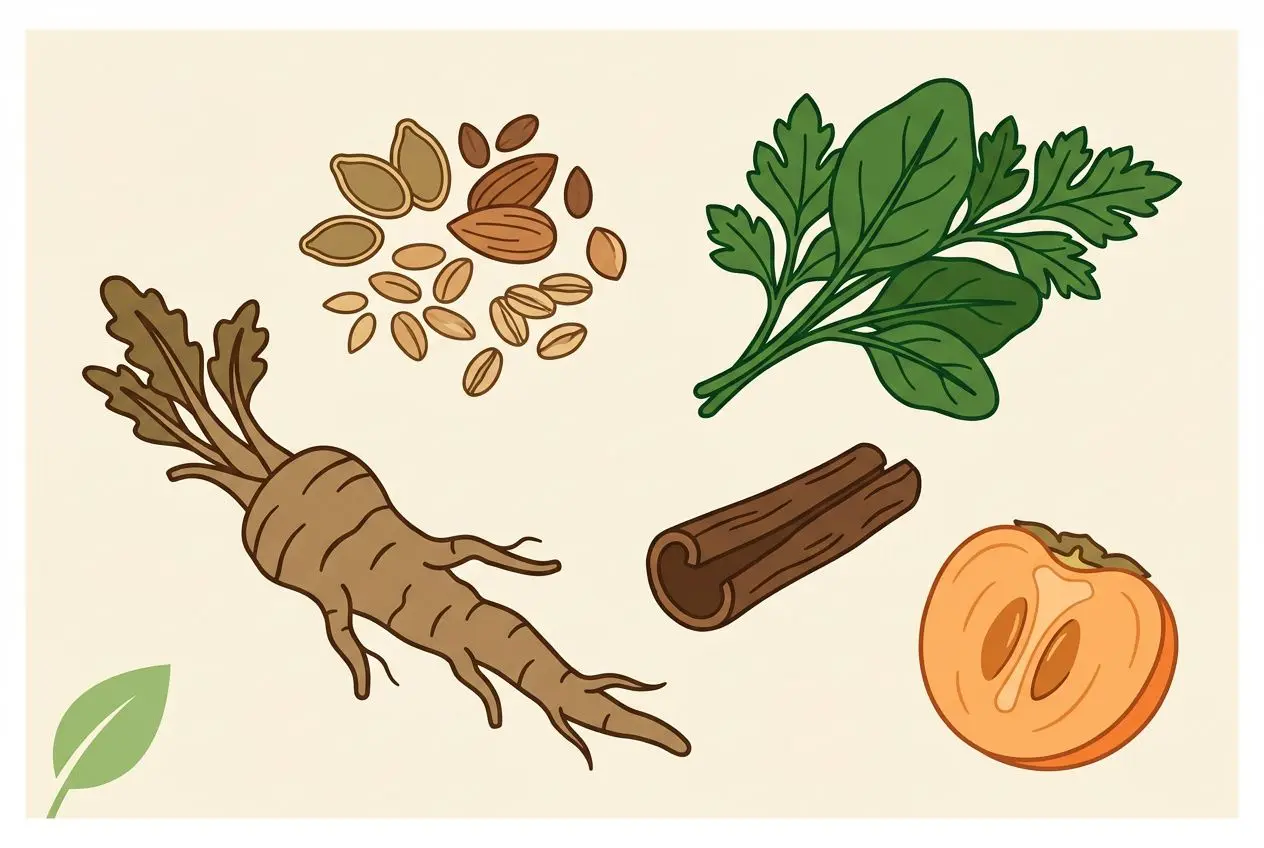
Roots, tubers, and starchy foods
Tuber plants produce starch-rich foods: potato, cassava, sweet potato, yam, taro, and Jerusalem artichoke. At least 300 edible plants have underground organs usable as a food resource, especially in tropical and subtropical regions. These plant energy reserves feed entire populations when cereals grow poorly, while millet remains adapted to certain dry environments.
Seeds, oils, and dried fruits
Oilseeds provide the majority of vegetable oils intended for food use. Sesame is among the food plants whose name frequently appears in crosswords, often under the definition "8-letter oilseed plant": its oil flavors dishes and its seeds are used in the preparation of tahini.
- Rapeseed and sunflower: European oilseeds providing oils with complementary fatty acid profiles, widely used in everyday cooking.
- Olive: Mediterranean oil tree producing an oil with recognized nutritional qualities, central to the plant-based diet of many cultures.
- Walnut and hazelnut: fruit trees whose nuts provide unsaturated fatty acids, proteins, and minerals, for direct consumption or after processing.
- Cashew, pistachio, pecan: tropical or subtropical trees producing dried fruits with high energy and nutritional density.
In practice, it all depends on the extraction process: cold pressing, refining, or hydrogenation changes the final lipid profile of the product.
Fruits, infusions, and other preparations
Tropical fruits, mango, avocado, pineapple, papaya, guava, lychee, and durian, illustrate the diversity of a plant-based diet open to species less present in European supply chains. They each provide a particular set of vitamins, fiber, and antioxidants. Mentha officinalis, lemon balm, and other aromatic herbs are used in everyday preparations, in infusions, or as condiments.
DietWorld's B.Slim herbal tea shows how a less common plant, curly mauve (Malva verticellata), used for over 2,500 years, can become a structured food product. Taken in the evening after dinner, the plant-based slimming tea combines detox, digestive comfort, and transit support in a daily sachet. The guide dedicated to medicinal plants and their benefits helps understand the action of each plant according to its composition of active principles.
Frequently Asked Questions
What are the main plant-based foods consumed worldwide?
The main plant-based foods consumed worldwide are rice, wheat, and maize. Together, they cover a major part of humanity's caloric needs. Legumes, such as soy, lentils, and chickpeas, are added to this, as are tubers, especially potatoes and cassava. Fruits, vegetables, and other cereals, such as millet, barley, and sorghum, complete this set. These cultivated plants structure the bulk of global human diet, even if the botanical potential remains much broader. Plant-based foods thus include cereal foods, legumes, and many plant preparations.
What is the difference between a fresh plant-based food and a processed plant-based food?
A fresh plant-based food is consumed directly after harvest, without heat treatment or chemical processing: this is the case for fruits, raw vegetables, and aromatic herbs. Conversely, a processed food has undergone one or more operations, such as drying, milling, fermentation, oil extraction, or infusion. These processes can change its texture, nutrient concentration, and properties. Wheat flour, a beverage made from rice, or a medicinal plant herbal tea fall into this second category. In practice, these two forms find their place in a balanced and diversified diet.
Are infusions and herbal teas considered plant-based food products?
Yes. Infusions and herbal teas are plant-based food products: they are obtained by macerating dried parts, such as leaves, flowers, roots, or seeds, in heated water. Their nutritional profile differs from that of a solid food, but they provide compounds unique to each plant species. B.Slim herbal tea with Malva verticellata is one example. Formulated from a rare plant, this preparation fits into a logic of transit support and detoxification, to be integrated as soon as the evening routine allows.


